
Introduction: A Short Ride into the World of Warmth and Promise
I once sat in a clinic where someone swore a single 20-minute session on an infrared bed fixed their chronic back pain — sounded like magic. Infrared beds show up in gyms, clinics, and wellness centers these days, and they carry bold promises about recovery, circulation, and sleep. (I’ve tried a few — some were pleasant, some felt like glorified heating pads.) Data from recent consumer surveys say more people are trying red- and near-infrared therapies, but satisfaction is mixed: happy stories besides skeptical reviews. So where does truth live among the marketing blur? That’s the question I want to tackle with you, step by step, without scaring you off with jargon. We’ll look at what really matters — safety, wavelength performance, and realistic outcomes — and I’ll share what I’ve learned from testing units, talking with technicians, and reading device specs. Ready? Let’s move to the nuts and bolts and cut through the noise.
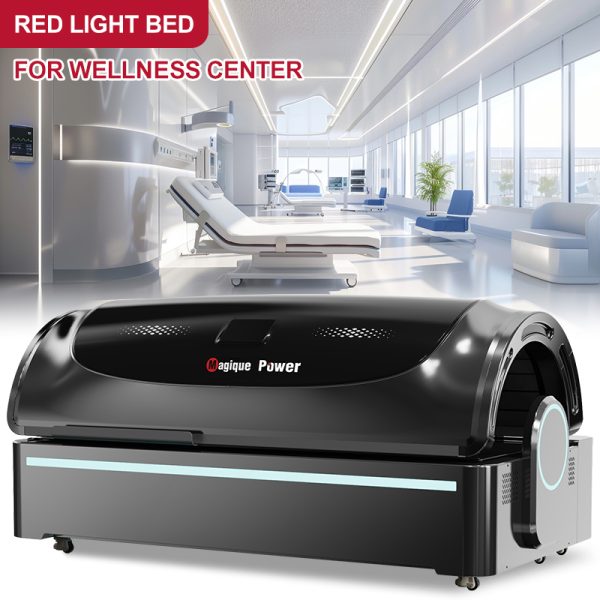
Part 2 — Why Many “Red Light” Solutions Miss the Mark (Deep Dive)
I want to call out the biggest design weak spots in traditional units, starting with the red light chamber. Too often, manufacturers emphasize power or price over three things that matter: true wavelength control, uniform LED arrays, and proper power conversion. Technically speaking, a loud output number doesn’t guarantee therapeutic photobiomodulation; wavelength specificity does. Many beds ship with mixed LEDs, poor heat sinks, and cheap power converters that let device temperature float — which changes emission and shortens lifespan. Look, it’s simpler than you think: if the unit can’t hold a steady 660 nm or 830 nm (for example), then the dose is inconsistent and the treatment window becomes guesswork — funny how that works, right?
Directly, the other flaw is user-centric: controls are often arcane, and clinicians find themselves juggling intensity, session time, and distance without clear feedback. I’ve measured spots where irradiance varies wildly across a single surface — that’s edge computing nodes–level inconsistency in a device that should be uniform. The result? Some body areas get therapeutic doses while others get nothing but warm air. This is why I argue we need to judge beds not by flashy claims but by their specs: irradiance maps, wavelength charts, and verified safety cutoffs. If a vendor can’t or won’t provide those, pass. Do we need to be rigid about this? Yes — because your time and recovery matter.
What exactly should you ask about?
Ask for irradiance (mW/cm²) at expected distance, spectral output, and thermal management details. Those answers reveal whether a unit is built to perform or built to sell.
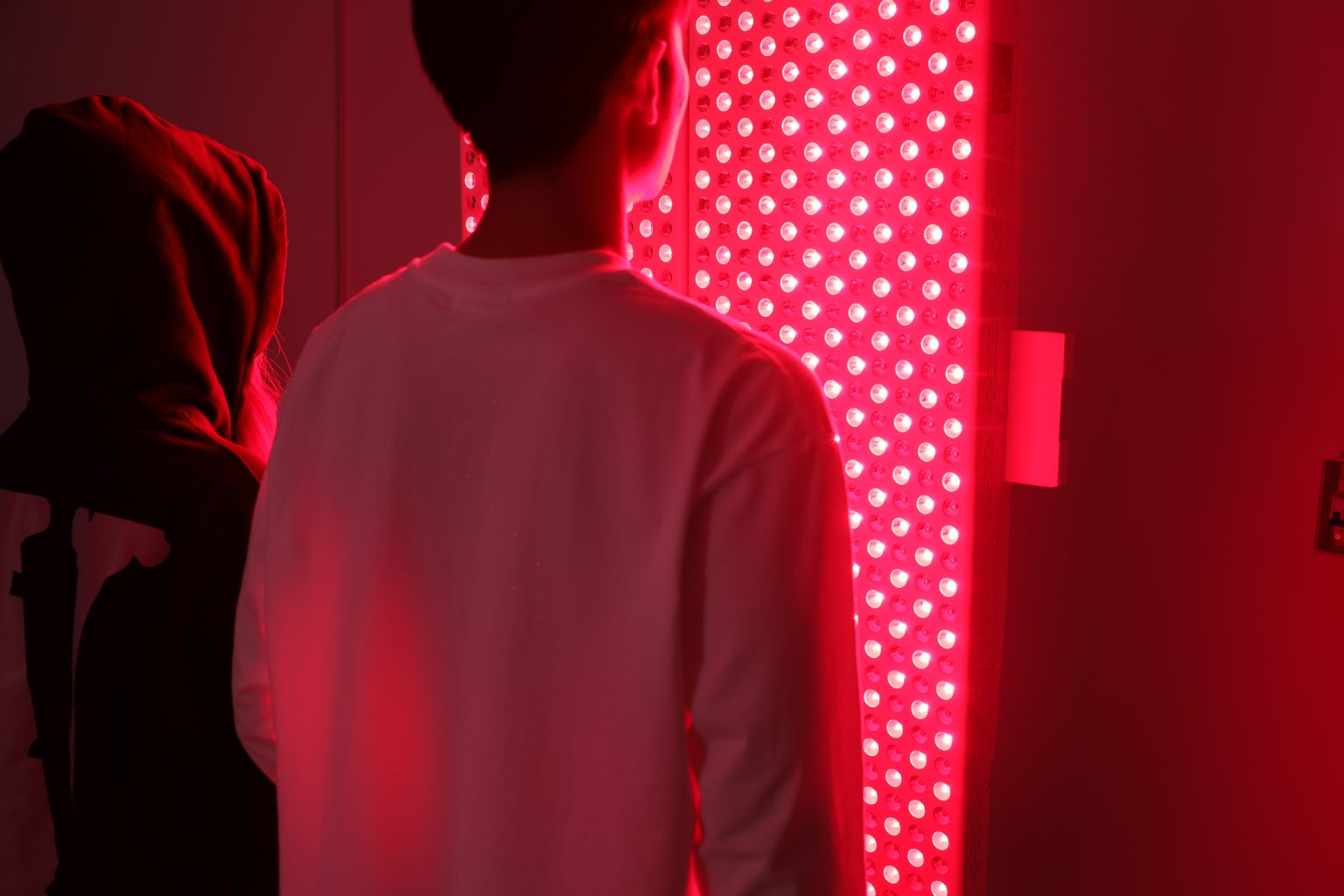
Part 3 — Looking Ahead: Practical Advances and How to Compare Options
What’s next for infrared beds? I see two trends pushing upward: better wavelength engineering and smarter system controls. Newer designs are moving beyond mixed LEDs to tuned LED arrays that keep wavelength specificity tight (helpful for targeted photobiomodulation). Integration with sensors — simple things like temperature and proximity — means session quality becomes measurable instead of assumed. I’ve seen prototypes where the bed auto-adjusts output to maintain a steady irradiance, and that small change made sessions far more consistent — meaningful for repeatable outcomes. The red light chamber concept is getting smarter: not just brighter lights, but controlled delivery.
Comparatively, the best units combine decent irradiance (not the highest number, but steady), clear spectral data, and robust thermal design. Think of it like buying a car: you don’t just look at top speed, you check fuel efficiency, safety ratings, and service network. For beds, check the LED array layout, the declared wavelength peaks, and the quality of power converters — those converters matter. Short-term hype builds sales; long-term engineering builds trust. — I’ve learned this the hard way after testing several models.
What should you weigh before buying?
Here are three concrete metrics I use when evaluating beds: 1) Verified irradiance at recommended distance (mW/cm²) — tells you dose; 2) Spectral purity (peak nm and bandwidth) — tells you target accuracy; 3) Thermal management and warranty — tells you longevity. Those three cover performance, relevance, and reliability. If a seller can’t answer these clearly, that’s a red flag. I recommend bringing a checklist to demos and asking for spec sheets. Also — trust your experience: if a session feels uneven or the control feels unintuitive, don’t pretend you’ll adapt later.
In short, choose devices that show their work (specs, test reports), treat wavelength as a feature, and respect thermal design. If you want a vendor that combines clarity with real engineering, check options from Magique Power — I appreciate how they publish useful details without the fluff.